
How to Prepare for a Bathroom Remodel Without Losing Your Mind
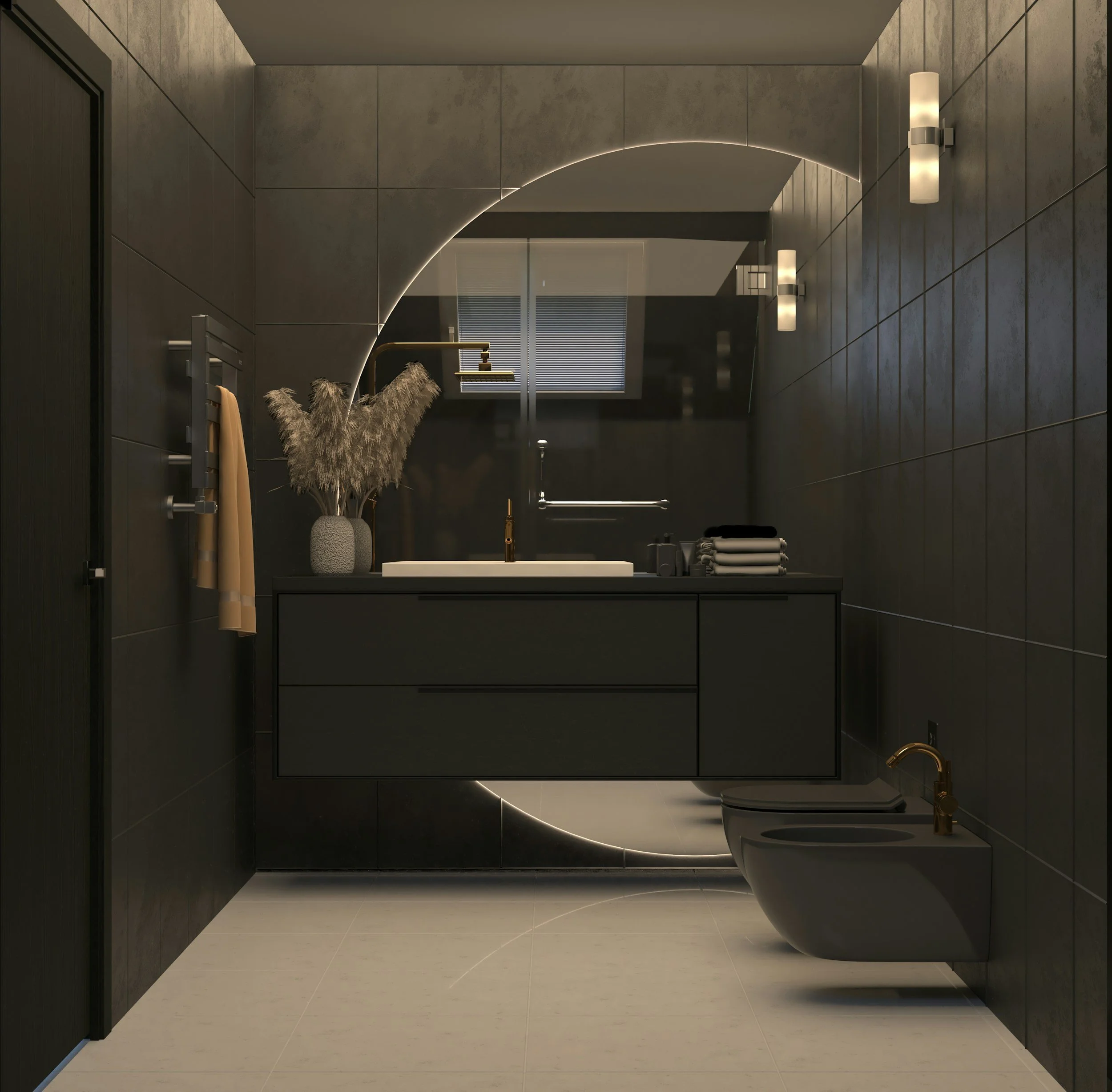
A bathroom remodel can be exciting—you get to choose new tile, fixtures, colors, and finishes—but it can also feel a little overwhelming. After all, this is one of the most-used rooms in your home, and remodeling it often means living with dust, noise, and a temporarily unusable space.
The good news? A little planning can make the entire process much easier. Here’s how to prepare for your bathroom remodel and avoid as many surprises as possible.
Start by Figuring Out What You Really Want
Before you start browsing tile samples or saving bathroom photos online, think about what’s not working in your current space.
Maybe you need more storage. Maybe the bathtub rarely gets used and you’d rather have a spacious walk-in shower. Or perhaps the bathroom simply feels dated and needs a fresh, modern look.
Make a quick list of your priorities. Include the things you absolutely need, as well as the upgrades you’d love to have if the budget allows.
For example:
A larger vanity
Better lighting
More storage
A walk-in shower
New flooring
Improved ventilation
Water-saving fixtures
A more accessible layout
Knowing your priorities will make decisions easier when you have to choose between different materials, features, or upgrades.
Set a Budget—and Leave Some Room in It
It’s easy to focus on the fun purchases, like a beautiful vanity or statement tile, and forget about the less exciting costs. Labor, demolition, plumbing, permits, delivery fees, and disposal can all add up quickly.
Create a complete budget that includes both materials and installation. Then set aside an extra 10% to 20% for unexpected expenses. Once the walls or flooring are opened up, your contractor may discover water damage, outdated wiring, or plumbing issues that need to be addressed.
Having a little cushion in your budget can help you handle those surprises without completely derailing the project.
Think Carefully About the Layout
One of the biggest decisions you’ll make is whether to keep your existing layout or move things around.
Keeping the toilet, sink, shower, and tub in their current locations is usually less expensive because it avoids major plumbing changes. On the other hand, changing the layout may be worthwhile if the current design is cramped, awkward, or difficult to use.
Before making a decision, consider how you move through the space. Will the vanity doors open easily? Is there enough room to get in and out of the shower? Does the bathroom have enough storage? Will the door bump into anything?
A layout that looks good on paper still needs to work comfortably in real life.
Choose Your Materials Early
Once construction begins, you don’t want the project to come to a stop because the tile or faucet hasn’t arrived yet. Choose your major materials and fixtures before demolition starts.
This may include:
Tile
Vanity
Countertop
Sink
Faucet
Toilet
Shower or bathtub
Lighting
Mirror
Cabinet hardware
Paint
You don’t have to decide every small accessory immediately, but the larger items should be selected, ordered and delivered before you start demo. Be sure to check product availability and delivery times, especially for custom or popular items.
Don’t Overlook What’s Behind the Walls
A bathroom remodel isn’t just about making the space look better. It’s also an opportunity to address problems that may not be visible yet.
Talk with your contractor about the condition of the plumbing, wiring, sub-floor, and walls. It may also be a good time to improve waterproofing or replace an old exhaust fan.
Proper waterproofing and ventilation are especially important. They help prevent moisture buildup, mold, peeling paint, and costly damage later on.
These updates may not be the most exciting part of the remodel, but they can make a major difference in how well your bathroom holds up over time.
Decide Which Work Requires a Professional
Painting and replacing hardware may be manageable DIY projects, but plumbing, electrical work, waterproofing, and structural changes are best left to experienced professionals.
A qualified contractor can help ensure that the work meets local building requirements and is completed safely. If you’re hiring a contractor, ask about licensing, insurance, references, permits, and the expected timeline.
It’s also helpful to clarify who is responsible for ordering materials and handling inspections before the work begins.
Prepare for Life Without the Bathroom
If you only have one bathroom, make a plan before the remodel starts. Find out how long the space will be unavailable and whether there will be times when the water needs to be shut off.
You may need to:
Use another bathroom in the home
Stay with friends or family for part of the project
Set up a temporary space for toiletries
Keep towels and personal items in another room
Make alternate arrangements for children or guests
Even if you have another bathroom, the construction process can still be inconvenient. Knowing what to expect will make the disruption easier to manage.
Protect Your Home from Dust and Debris
Bathroom demolition can be surprisingly messy. Dust and debris can travel beyond the bathroom, especially if it’s located near a bedroom, hallway, or living area.
Ask your contractor how they plan to protect the rest of your home. Floor coverings, plastic barriers, and a designated route for carrying materials can help keep the mess under control.
Before work begins, remove fragile items from nearby areas and make sure pets and young children are kept away from the construction zone.
Keep Track of Your Selections
With so many decisions to make, it’s easy to forget the exact name or color of a product. Keep a folder—digital or physical—with your selections, receipts, product numbers, warranties, and delivery information.
It’s also a good idea to save leftover tile, paint, grout, and other materials after the remodel is finished. Those extras can be very useful if you need to make a repair later.
Review Everything Before Demolition Begins
Before the first tile comes off the wall, go over the final plan with your contractor. Make sure you understand what’s included, what isn’t, how changes will be handled, and when payments are due.
Your contract should clearly outline:
The scope of the work
The estimated timeline
Materials and fixtures
Payment terms
Permit responsibilities
Cleanup expectations
Procedures for unexpected repairs or changes
It’s much easier to resolve questions before construction begins than after the project is already underway.
Enjoy the Process—Even the Messy Parts
A bathroom remodel takes planning, patience, and a willingness to make a lot of decisions. There may be delays, unexpected repairs, or days when your home feels more like a construction site than a relaxing place to live.
Still, the end result can be well worth it. By planning ahead, communicating clearly with your contractor, and leaving room in your budget and schedule, you’ll be in a much better position to enjoy your new bathroom once the work is complete.